Protein Myths, Fact-Checked: Kidneys, Bones, 30-Gram Limits and the Rest
Protein attracts myths like no other nutrient — the kidney damage warnings, the 30-gram absorption ceiling, the bone-leaching claims — and most dissolve under the actual research while a few real cautions hide among them. The fact-check.

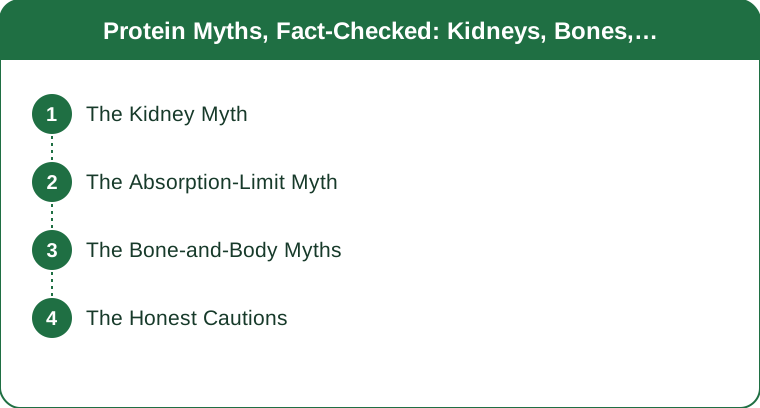
The Kidney Myth
The big one, examined: the claim (the high protein damaging kidneys — the most repeated protein warning), the evidence verdict (the healthy-kidney research consistently finding no damage at high intakes — the systematic reviews clearing intakes well above typical recommendations; the myth originating from kidney-DISEASE management being generalized to everyone), the real caution (the existing kidney disease genuinely requiring protein management — the doctor-guided intakes for the diagnosed; the distinction that the myth flattened), the workload-versus-damage clarification (the kidneys working harder on protein being adaptation, not injury — the filtration changes that alarmed early researchers proving benign in healthy kidneys), and the practical takeaway (the healthy adult at 1.2-2.0g per kilo being firmly evidence-safe — the hydration alongside higher intakes being sensible; the kidney conversation belonging to the diagnosed, not the deadlifting).
The Absorption-Limit Myth
The 30-gram ceiling, examined: the claim (the body ‘wasting’ protein beyond 30g per meal — the myth that spawned six-meal anxiety), the evidence verdict (the absorption being essentially unlimited — the body digesting and using large doses, just more slowly; the muscle-protein-synthesis nuance the myth garbled: the per-meal MPS response plateauing around 25-40g while the protein still gets USED for everything else), the practical reality (the even-ish distribution being MILDLY better for muscle — the 25-30g anchors from the protein doctrine; the two-meal eater still building muscle fine on bigger doses per the flexible doctrine), the older-adult note (the higher per-meal doses serving anabolic resistance — the 30-40g anchors for the masters tier per the aging doctrine), and the takeaway (the meal-spacing being an optimization, not a requirement — the total daily intake remaining king; the wasted-protein anxiety retired).

The Bone-and-Body Myths
The remaining lineup: the bone-leaching claim examined (the acid-load hypothesis that protein weakens bones — the modern evidence showing the OPPOSITE: the higher-protein intakes associating with better bone density per the bone doctrine; the calcium-partnership note), the bulky-fear crossover (the protein making women bulky myth — the muscle-building requiring training, surplus and time per the lift doctrine; the protein alone building nothing), the animal-versus-plant absolutism (the both-work verdict from the plant doctrine — the plant intakes needing modest intentionality, the animal intakes needing quality variety; the tribal war unsupported), the protein-timing anxiety (the anabolic-window myth softened by research — the hours-wide window from the timing doctrine; the post-workout urgency retired), the whole-food-versus-powder purity (the powder being food in convenient form — the supplement doctrine’s third-party-tested notes; the whole-food lean for satiety-and-nutrients with powder as the gap-filler), and the more-is-always-better inversion (the intakes beyond ~2.2g/kg buying nothing further for most — the expensive-urine territory; the moderation that the evidence actually draws).
The Honest Cautions
What’s real among the noise: the kidney-disease management restated (the diagnosed population’s genuine protein protocols), the displacement risk (the all-protein plate crowding out fiber and produce — the balanced-plate doctrine; the protein AND plants, never versus), the processed-meat distinction (the protein source mattering — the cured-and-processed tier’s separate evidence from the heart doctrine; the fish-legume-poultry-dairy lean), the digestive-adjustment note (the rapid intake increases and the fiber-water pairing — the gradual-ramp comfort), the individual-medical clause (the specific conditions deserving the dietitian conversation per the medical doctrine), and the closing summary (the protein being among nutrition’s safest, best-evidenced tools — the myths mostly protecting nobody from nothing; the real rules fitting on a card: 1.2-2.0g per kilo from varied quality sources, spread reasonably, beside plenty of plants; the fear, fact-checked away). Kidneys fine if healthy, no absorption ceiling, bones helped not harmed: the myths, retired on evidence.
Healthy kidneys handle high protein fine (the caution belongs to diagnosed kidney disease), there’s no 30g absorption ceiling (MPS plateaus, usage doesn’t), and protein strengthens bones rather than leaching them. Real rules: 1.2-2.0g/kg, quality sources, plants alongside.
Keep Reading
This article is for general informational purposes only and is not medical advice. Always consult a qualified health professional for guidance specific to you.